
HRLUX Lighting | Light the Globe, Power the Future


HRLUX Lighting | Light the Globe, Power the Future
Replacing high-pressure sodium road lighting with LED systems is one of the most practical ways cities, campuses, industrial parks, and roadway operators can reduce electricity use without reducing visibility. The exact savings depend on the old lamp wattage, fixture condition, operating hours, lighting design, controls, and maintenance practices, but the direction is clear: well-planned LED retrofits can deliver meaningful, measurable efficiency gains. This article explains what drives led energy savings, where the biggest opportunities sit, and how to evaluate a retrofit as a cost-effective lighting investment rather than a simple lamp swap.
A road lighting LED retrofit can often cut electricity use substantially because led street lights produce usable light more efficiently than traditional high-pressure sodium lamps and can be paired with smarter controls. However, there is no honest single percentage that applies everywhere. A road with oversized old fixtures, long nightly operating hours, and no dimming controls may see a much larger reduction than a site where the existing system was already efficient and well matched to the roadway.
The better question is not only “From High-Pressure Sodium Lamps to LED: How Much Electricity Can Road Lighting Energy-Saving Retrofits Actually Save?” but also “What is being replaced, and how will the new system be operated?” A complete answer looks at fixture wattage, ballast losses, light distribution, mounting height, spacing, dimming schedules, local safety requirements, and long-term maintenance. When these factors are reviewed together, energy-efficient lighting becomes a planning decision with operational, financial, and public-service benefits.
High-pressure sodium, often called HPS, became popular for road lighting because it was durable, familiar, and capable of lighting large outdoor areas. Its orange-yellow color is instantly recognizable on older streets and highways. For many years, it was a practical option, but lighting technology and public expectations have moved forward.
One key limitation is that HPS lamps send light in many directions, so reflectors and optics must redirect that output toward the road. Over time, lenses discolor, reflectors degrade, and lamps lose brightness. To compensate, many systems were historically designed with higher wattages than the road may actually need, which means more electricity is consumed every night.
There is also the matter of ballast losses. Traditional discharge lamps require auxiliary equipment to start and regulate the lamp. That equipment consumes additional power beyond the lamp’s rated wattage, so the real system load can be higher than many people expect. When a municipality counts only the lamp wattage, it may underestimate the total energy being used.
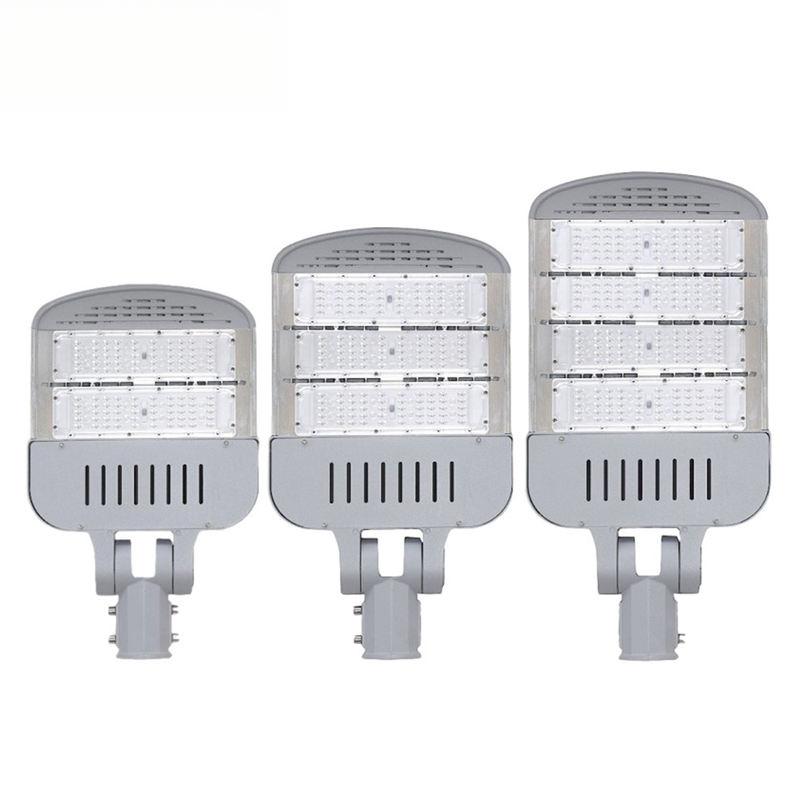
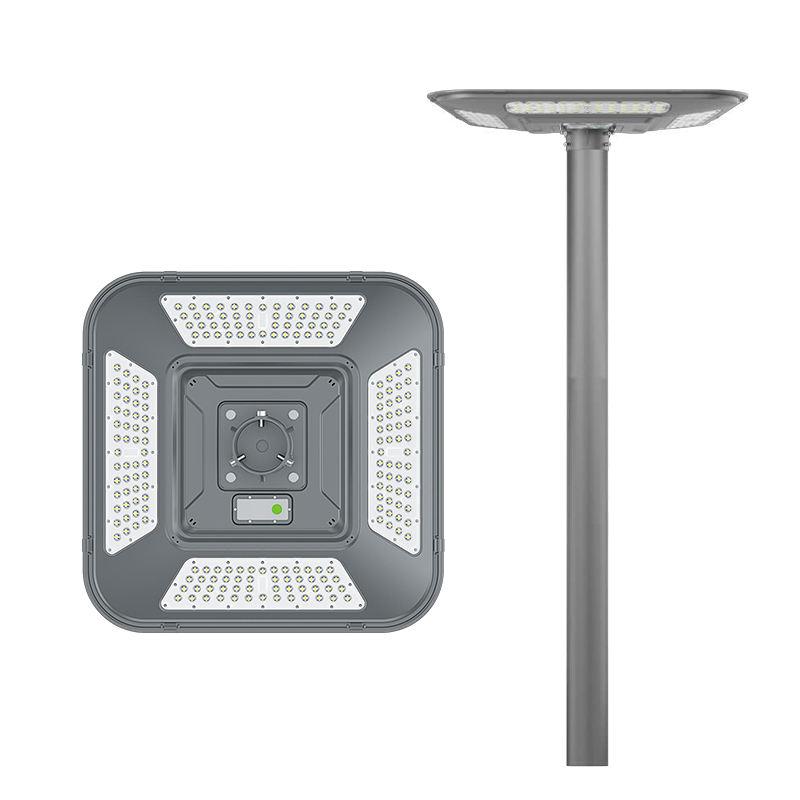
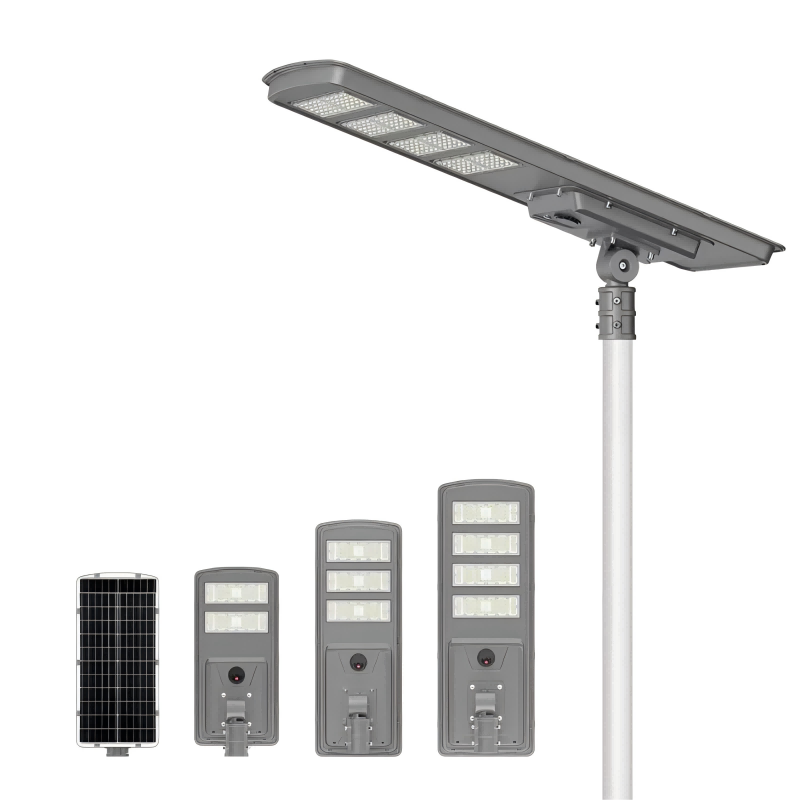
LED systems take a different approach. They use directional optics to place light where it is needed more precisely, which can reduce wasted uplight, backlight, and spill. This is one of the core led lighting benefits: efficiency is not just about using fewer watts, but about delivering usable illumination more accurately.
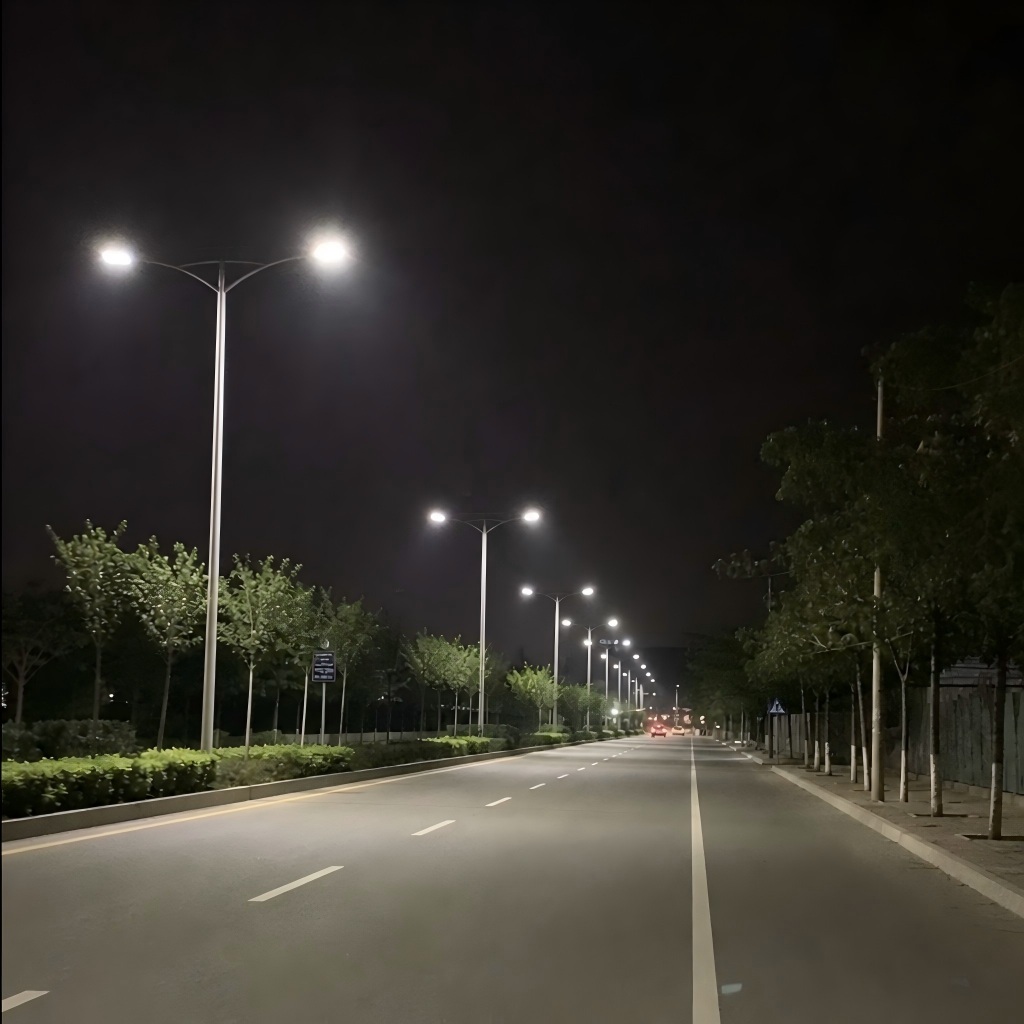
LED performance is shaped by both the product and the project design. A strong retrofit starts with understanding the existing conditions, then choosing luminaires and controls that match the actual road environment.
Important savings drivers include:
Existing fixture wattage: Replacing a high-wattage HPS fixture with a lower-wattage LED luminaire creates direct energy savings, especially across hundreds or thousands of poles.
Ballast removal: When old ballast equipment is eliminated, the new system may avoid hidden energy losses that were part of the original installation.
Optical control: Better light distribution can maintain roadway visibility while using less total power.
Operating hours: Road lighting often runs for long nightly periods, so even modest watt reductions can add up over a year.
Dimming capability: LEDs can be dimmed during low-traffic hours where regulations and site needs allow.
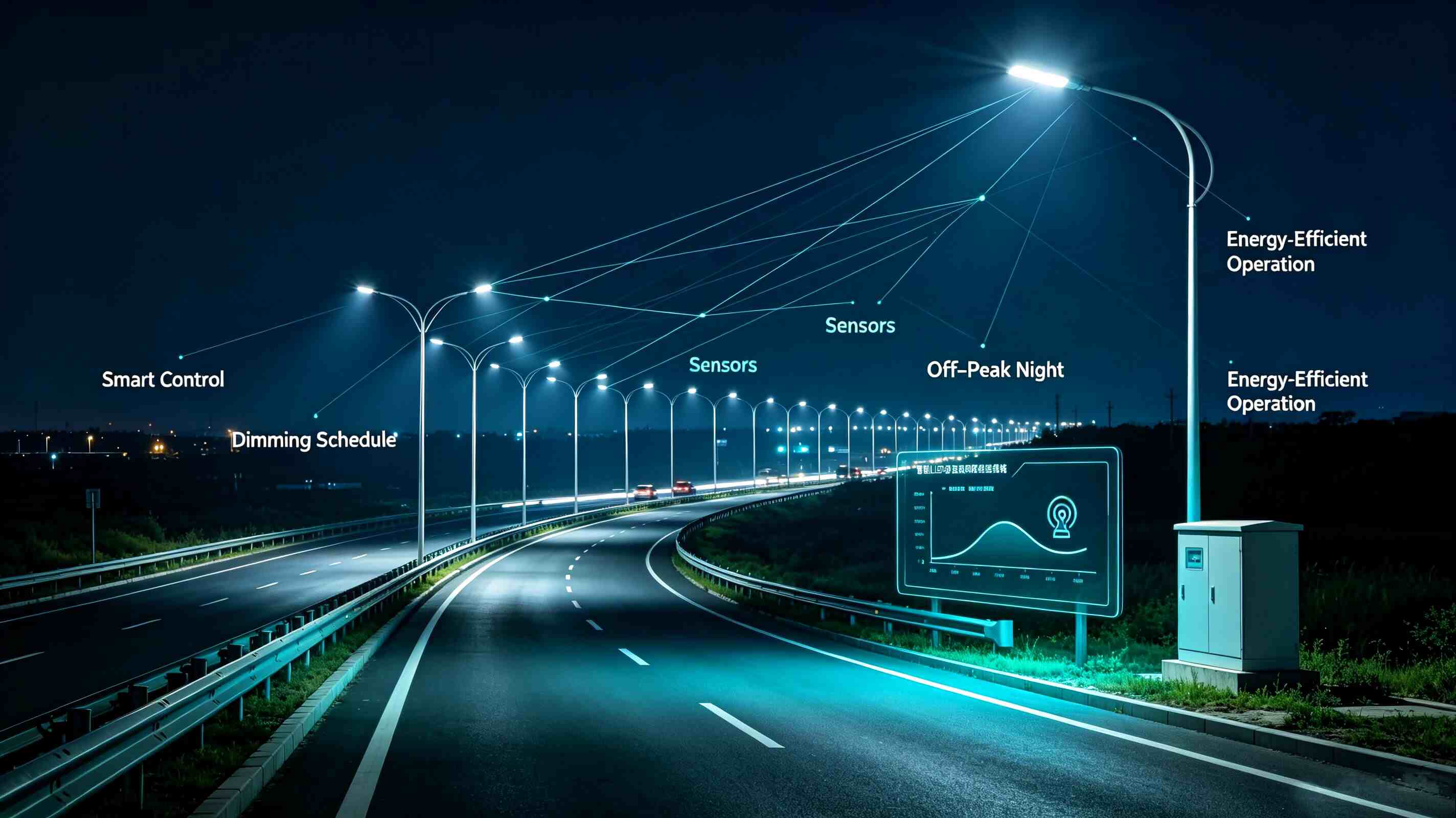
Adaptive controls: Sensors, timers, and networked systems can help match light output to real conditions instead of running every fixture at full output all night.
Reduced maintenance visits: While maintenance savings are separate from electricity savings, fewer lamp changes can improve the overall retrofit case.
The practical implication is simple: the fixture replacement matters, but the control strategy can be just as important. A project that only swaps lamps may save energy. A project that redesigns light levels, improves distribution, and introduces smart operation can usually do more.
A retrofit should begin with a lighting and energy audit. This does not need to be complicated, but it should be detailed enough to prevent guesswork. The audit creates the baseline against which future savings can be measured.
A useful road lighting audit should document:
Fixture inventory Count every pole, lamp type, wattage, ballast type, and fixture condition. Include special areas such as intersections, pedestrian crossings, bridges, parking connections, and service roads.
Operating schedule Confirm when the lights turn on and off. Photocells, timers, and manual controls may not all behave the same way across a large network.
Current energy load Estimate total connected load using full system wattage, not just lamp rating. Where utility data is available, compare calculations with actual billed usage.
Lighting requirements Identify the road classification, traffic conditions, pedestrian activity, and safety expectations. Energy savings should not come from simply under-lighting important areas.
Maintenance history Review lamp replacement frequency, outage reports, repair costs, and access challenges. Hard-to-reach fixtures may offer added value when upgraded to longer-life LED products.
Control opportunities Look for locations where dimming schedules, zoning, or smart controls could be applied responsibly.
This audit-first approach keeps the project grounded. Instead of asking vendors for a generic promise, owners can compare proposals against real site data and choose green lighting solutions that fit the road, the budget, and the community.
Before replacing HPS fixtures with LED, consider light quality, roadway safety, fixture compatibility, control strategy, installation conditions, and total lifecycle value. A lower wattage number is attractive, but it should not be the only decision point. The right retrofit balances reduced energy consumption with reliable performance and comfortable visibility.
Color temperature is one example. HPS lighting has a warm amber appearance, while LED options are available in a range of color temperatures. A cooler light may feel brighter, but it may not be appropriate for every neighborhood, roadway, or environmental setting. Choosing a sensible color temperature helps support visibility while limiting glare and community complaints.
Glare control is equally important. Poorly selected LEDs can create bright points of light that feel uncomfortable, even if the measured light level is acceptable. Quality optics, correct aiming, and appropriate shielding help ensure the retrofit improves the nighttime environment instead of simply changing the color of the road.
Compatibility also matters. Some projects can reuse existing poles and wiring, while others may need electrical upgrades, surge protection, bracket changes, or control cabinet improvements. These details affect installation cost and project scheduling, so they should be reviewed before procurement.
The strongest led lighting benefits show up when technical features solve everyday operating problems. For a city, energy-efficient lighting can reduce utility demand and support sustainability goals. For an industrial park, it can improve nighttime navigation while keeping operating costs under control. For a highway operator, it can support consistent illumination across long stretches of road.
LEDs also make lighting management more flexible. Traditional HPS lamps are not ideal for frequent dimming or rapid control changes. LEDs respond well to dimming, which allows owners to create lighting profiles for different times of night or different zones. For example, a main road may stay brighter during evening traffic, while a low-activity service area may operate at reduced output after peak hours.
Maintenance is another benefit, even though it should be calculated separately from electricity savings. Roadway maintenance can require lift trucks, traffic control, labor coordination, and safety planning. If a retrofit reduces the frequency of lamp failures and emergency callouts, the owner may gain operational value beyond the electric bill.
You do not need a complex model to create a first-pass savings estimate. Start with the existing system load, compare it with the proposed LED load, then multiply the difference by annual operating hours. This gives an estimated kilowatt-hour reduction before considering dimming or adaptive controls.
Use this simple process:
Calculate current system wattage Add lamp wattage and ballast losses for each fixture type. Multiply by the number of fixtures in that group.
Calculate proposed LED wattage Use the full input wattage of the selected LED luminaire, including drivers and control components where applicable.
Estimate operating hours Use actual schedules where possible. Outdoor lighting commonly operates every night, so small differences in hours can affect the final number.
Find annual energy use Convert watts to kilowatts, then multiply by annual operating hours.
Compare before and after The difference is the estimated annual electricity savings before utility rate calculations.
Add control savings carefully If dimming is planned, estimate the reduced power level and number of dimmed hours. Be conservative unless the control schedule is confirmed.
This method will not replace a professional lighting design, but it helps decision-makers understand the scale of the opportunity. It also makes proposals easier to compare because every option can be tested against the same baseline.
Many LED road lighting projects succeed, but avoidable mistakes can weaken results. The biggest risk is treating the retrofit as a one-for-one equipment purchase without reviewing the actual lighting need. If an old 250-watt HPS fixture is replaced with an LED product that is brighter than necessary, the project may still save energy, but not as much as it could.
Another mistake is ignoring distribution. A luminaire with impressive specifications on paper may not perform well on a specific road if its optics do not match the pole spacing, mounting height, or lane width. Good design places light evenly where people need it, not just directly under the pole.
Project owners should also avoid choosing only by lowest purchase price. Cost-effective lighting is about lifecycle value. A cheaper fixture that creates glare, fails early, lacks surge protection, or cannot support future controls may become more expensive over time.
Finally, communication matters. Residents and drivers notice changes in road lighting immediately. Explaining why the project is happening, what areas are included, and how brightness and glare will be managed can reduce confusion and build support for green lighting solutions.
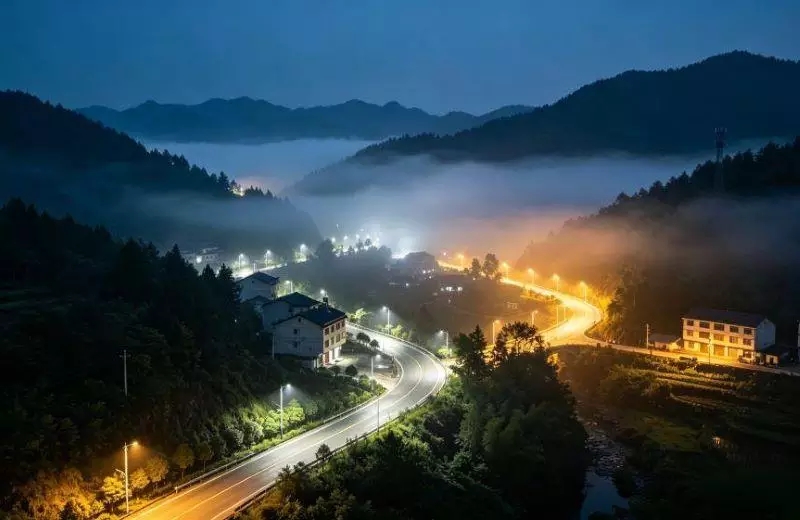
Road lighting is highly visible, so upgrades can send a clear message about responsible energy management. When planned well, led street lights reduce wasted electricity, improve control, and help public and private owners modernize infrastructure. They also create a foundation for future improvements, such as network monitoring, outage alerts, and more responsive lighting schedules.
The sustainability value is strongest when the project avoids over-lighting. True green lighting solutions do not simply replace old equipment with new equipment. They use the right amount of light, in the right place, at the right time. That mindset protects energy savings while supporting safer, more comfortable nighttime spaces.
From High-Pressure Sodium Lamps to LED: How Much Electricity Can Road Lighting Energy-Saving Retrofits Actually Save? The realistic answer depends on your baseline, design choices, controls, and operating schedule, but the opportunity is often significant enough to justify serious evaluation. A thoughtful retrofit can lower electricity use, improve light quality, reduce maintenance pressure, and create a more flexible lighting network.
The best next step is to start with data: inventory the existing system, calculate true energy use, define lighting requirements, and compare LED options on performance as well as price. When energy savings, visibility, reliability, and lifecycle value are considered together, LED road lighting becomes more than an upgrade. It becomes a practical investment in cleaner, smarter, and more cost-effective infrastructure.
1. How much electricity can a road lighting LED retrofit save?
There is no single percentage—it depends on the old fixture wattage, ballast losses, operating hours, and whether dimming controls are used. However, replacing HPS with well-designed LED systems often achieves significant reductions, especially when paired with smart controls.
2. Why do high-pressure sodium systems use more energy?
HPS lamps emit light in all directions, requiring reflectors that cause losses, and their ballasts consume additional power. Many older systems were also oversized, leading to higher wattage than the road actually needs.
3. What is a simple way to estimate retrofit savings?
Calculate the current total system wattage (lamp plus ballast), compare it with the proposed LED wattage, and multiply the difference by annual operating hours. Add conservative savings from dimming if that feature will be used.
4. What common mistakes reduce retrofit value?
Choosing fixtures that are brighter than necessary, ignoring optical distribution, selecting only by lowest price, and failing to consider controls can all limit savings and long-term performance. A proper audit and lighting design are essential.
HRLUXSOLAR focuses on mid-to-high-end outdoor lighting with strict quality standards and a rigorous, responsible team. We take quality as the core and professionalism as the foundation to provide stable and durable outdoor lighting products.We specialize in professional services for municipal and commercial engineering projects, delivering customized lighting solutions for smooth project implementation. We support flexible customization, efficient delivery and full-process technical support to meet diverse project demands.Committed to being your trusted outdoor lighting partner, HRLUXSOLAR keeps improving to create better lighting value for your projects.
Get a Quote
Scan to Wechat/Whatsapp :