
HRLUX Lighting | Light the Globe, Power the Future


HRLUX Lighting | Light the Globe, Power the Future
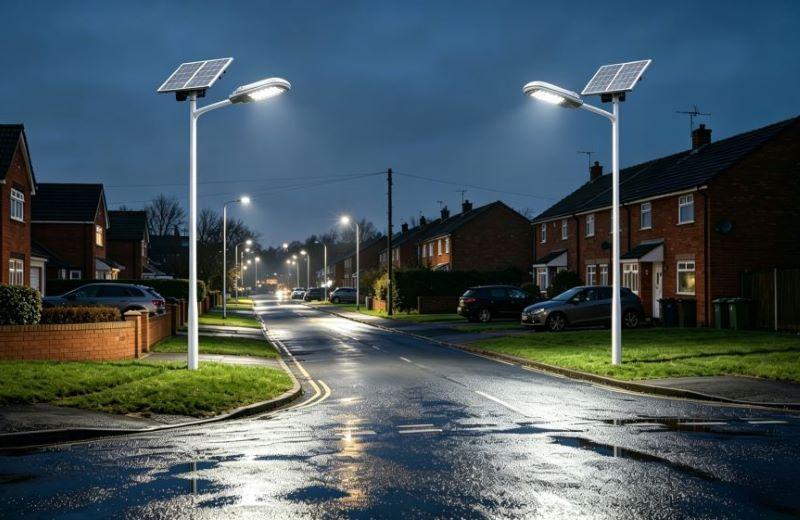
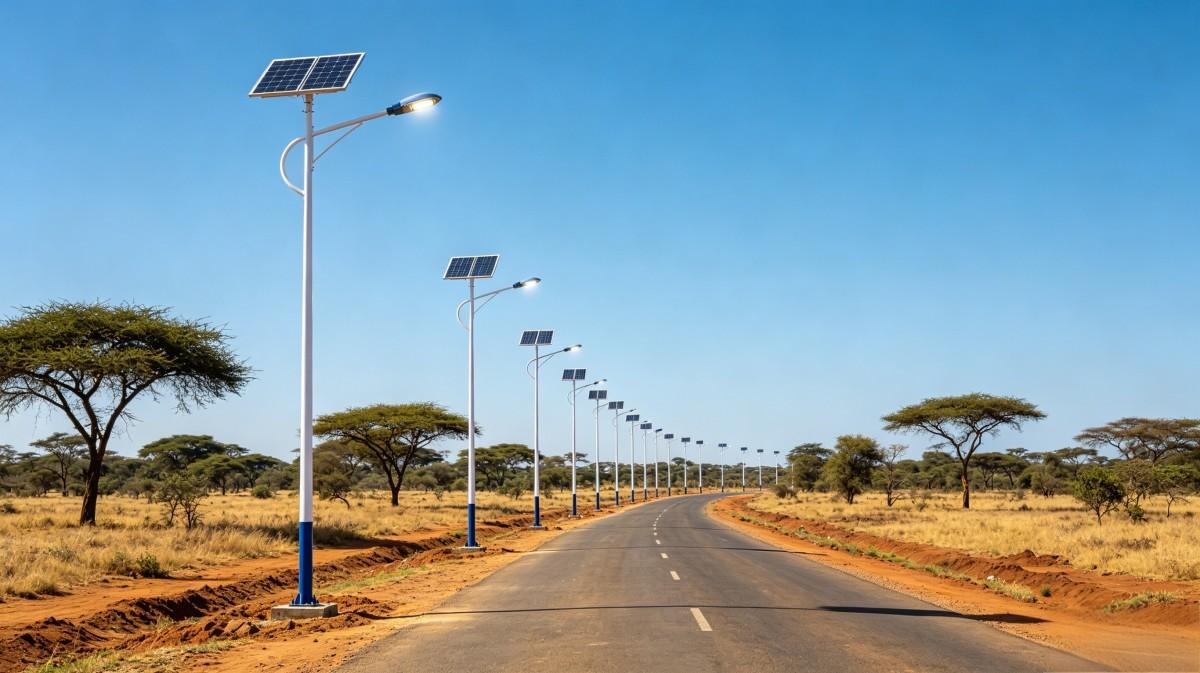
Most rural areas across Africa suffer from unstable or zero grid power access, making solar street lights the most cost-effective, long-term lighting solution for village roads, school perimeters, rural market squares, residential compounds and remote community passages. However, most project contractors and government procurement teams face a common dilemma: cheap generic solar street lights fail massively within 1–2 years after installation.
Typical failures include rapid battery decay under extreme tropical heat, dust-blocked solar panels with low power generation, water ingress and short circuits during long rainy seasons, frequent blackouts on cloudy days, and deformed brackets blown down by tropical strong winds. Unlike Southeast Asian coastal humid environments, African rural areas have unique harsh conditions including ultra-high temperature, seasonal sand dust, severe thunderstorms, poor transportation and lack of professional maintenance conditions.
Based on hundreds of successful rural lighting projects in Nigeria, Kenya, Ghana, Tanzania and Uganda, this 2026 ultimate buying guide summarizes region-based selection standards, anti-theft solutions, full-cycle cost analysis and professional Dialux lighting parameters to help global project buyers choose durable, low-maintenance and high-qualified solar street lights that can run stably for 8–10 years, avoiding project rework and failed official acceptance.
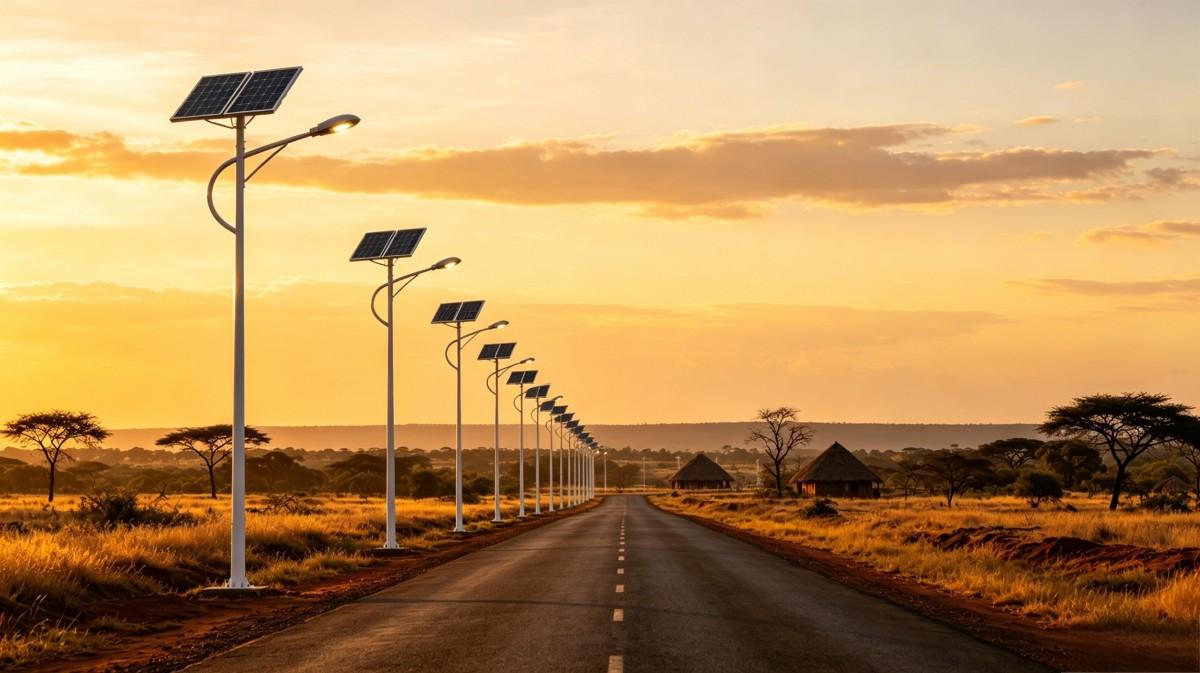
Africa’s climate varies greatly in different regions. A unified standard cannot fit all rural projects. We classify the core challenges of West Africa, East Africa and Southern Africa to achieve targeted selection:
1.1 West Africa (Nigeria, Ghana, Senegal) — High Temperature & Severe Sand Dust
West Africa features long dry seasons with daytime temperatures reaching 40°C–52°C, accompanied by frequent sand dust and dry wind. Ordinary batteries suffer severe thermal attenuation, and unprotected solar panels are easily covered by thick dust, resulting in 40%–60% power generation loss.
1.2 East Africa (Kenya, Tanzania, Uganda) — Long Rainy Seasons & Frequent Thunderstorms
East Africa has concentrated and prolonged rainy seasons, with frequent lightning strikes and sudden torrential rains. Low IP-rated lamps are prone to water penetration and circuit burnout; unprotected lamps will be damaged in batches during thunderstorm seasons.
1.3 Southern Africa (Mozambique, Zambia) — Humid & Windy Coastal & Plateau Areas
Southern Africa has high air humidity and strong plateau gusts, requiring higher anti-corrosion and wind resistance performance for lamp structures.
1.4 Universal Rural Pain Points Across Africa
•No grid backup: Remote villages have no emergency power supply, requiring sufficient rainy-day backup capacity.
•Rough transportation & simple installation: Bumpy rural roads cause collision damage; local construction teams lack professional installation tools.
•Serious lamp theft risk: Scattered rural settlements lack monitoring, making lamp theft a common problem.
•Extremely difficult after-sales maintenance: Spare parts are hard to purchase locally, requiring lamps with low failure rate and ultra-low maintenance.
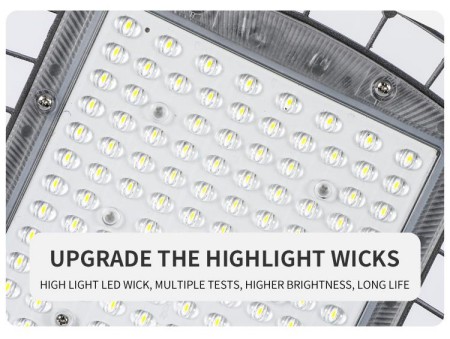
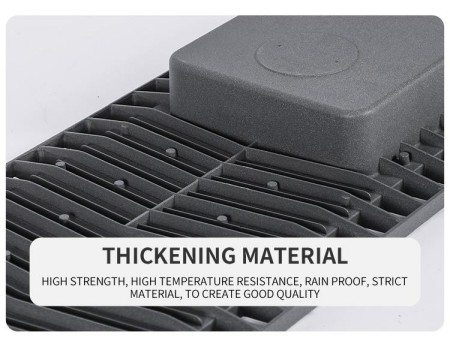
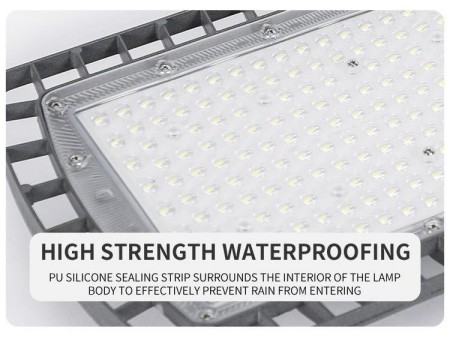
Most buyers are confused about choosing integrated or split solar street lights for African villages. Combined with local usage habits and environment, we give clear selection suggestions:
2.1 All-in-One Solar Street Light (Highly Recommended for African Rural)
The integrated design integrates solar panel, battery, LED light source and controller into one unit. It is the most suitable type for current African rural projects.
•Anti-theft advantage: No external exposed solar panels and separate batteries, effectively avoiding component theft, solving the biggest hidden danger of rural project loss.
•Simple installation: One-person quick installation, no complex wiring, adapting to unprofessional local construction conditions.
•Good sealing performance: Integral die-casting structure, better dustproof and waterproof effect than split lamps, suitable for dusty and rainy African environments.
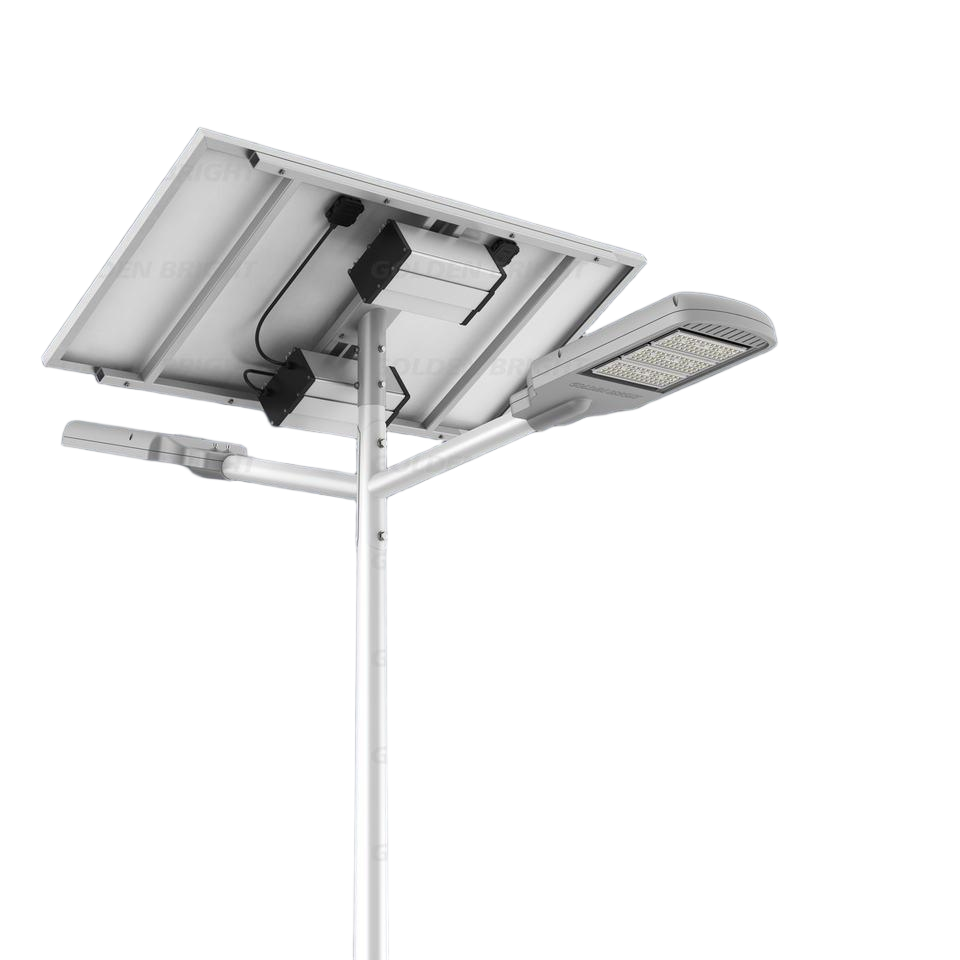
2.2 Split Solar Street Light (Only for Individual Large Highway Projects)
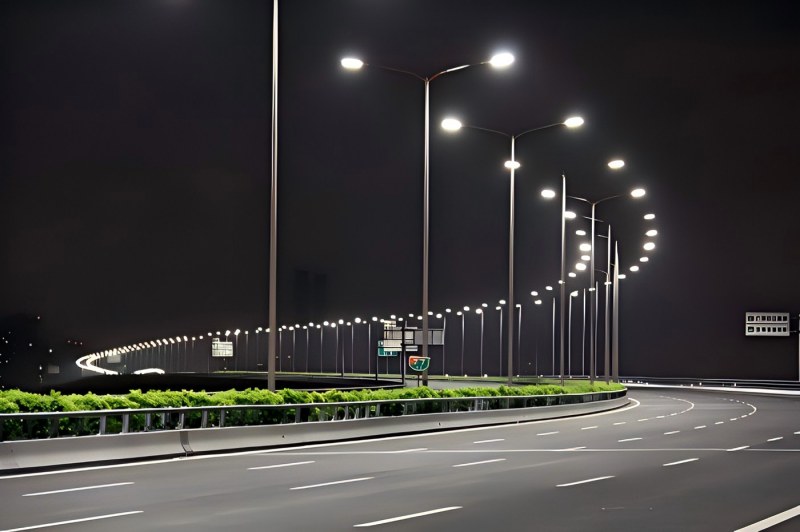
Split lamps have large solar panels and separate batteries, with higher power generation. However, exposed parts are easy to be stolen, and wiring is complicated. It is not recommended for conventional village road and community lighting projects.
3.1 High Temperature Resistant LiFePO4 Battery (Core Necessity)
Ordinary ternary lithium batteries fail rapidly above 40°C and cannot adapt to West Africa’s ultra-high temperature environment. All qualified solar street lights for African rural projects must adoptwide-temperature LiFePO4 batteries with an operating range of -30°C to 65°C.
•More than 5000 charge-discharge cycles, long service life
•Built-in overheating, overcharge, overdischarge and short-circuit multiple protection
•Fully sealed battery compartment to prevent dust and rain erosion
3.2 High-Efficiency Monocrystalline Solar Panel with Automatic Dust Removal Design
Aiming at African dust accumulation problems, customized panels adopt 22% high conversion rate monocrystalline silicon, with inclined border design. Light rain can automatically wash away surface dust, maintaining long-term high power generation efficiency.
3.3 IP66 Full Sealed Dustproof & Waterproof Structure
IP65 lamps are easy to seep water in long rainy seasons. IP66 full sealed structure with silicone rubber gaskets for all joints and reserved internal drainage grooves, which can effectively resist heavy rain infiltration and tropical high humidity corrosion.
3.4 Independent 10kV Lightning Protection Module
East African rainy seasons are accompanied by frequent lightning strikes. Built-in independent surge protection module can resist 10kV lightning surge, avoiding batch burnout of controllers and batteries.
3.5 Thickened Wind & Vibration Resistant Bracket
2.0mm thick die-cast aluminum bracket, anti-deformation and anti-loose. The 15°–30° adjustable installation angle matches Africa’s low latitude sunlight angle, adapting to tropical strong gusts and bumpy transportation.
3.6 Intelligent MPPT Dimming Controller
Compared with low-efficiency PWM controllers, MPPT maximum power tracking technology improves power utilization rate by 25%. It supports multiple intelligent modes: human body induction dimming, timing dimming, full brightness mode, meeting the energy-saving and safety needs of rural villages.
4.1 Technical Parameter Comparison
| Performance Item | Ordinary Low-Cost Solar Street Light | HRLUX Custom Africa Rural Solar Light |
| Battery Working Temperature | Max 40℃, easy decay | -30℃~65℃ high-temp resistance |
| Solar Panel Efficiency | 16% polycrystalline | ≥22% monocrystalline high efficiency |
| Waterproof & Dust Grade | IP65 semi-sealed | IP66 full sealed |
| Controller | PWM low efficiency | Intelligent MPPT + lightning protection |
| Wind Resistance | Grade 8 ordinary wind | Grade 10 tropical strong wind |
| Rainy Day Backup | 1–2 days (easy blackout) | 4–6 days stable lighting |
| Service Life | 3–4 years | 8–10 years |
4.2 8-Year Full-Cycle Cost ROI Comparison (Core Reference for Government & NGO Projects)
| Cost Item (8 Years) | Low-Cost Ordinary Lights | HRLUX Custom Durable Lights |
| Initial procurement cost | Low | Slightly higher |
| Mid-term replacement & maintenance cost | High (replace 2–3 times) | Almost zero maintenance |
| Project rework & acceptance risk loss | High | Zero risk |
| Comprehensive 8-year cost | 30%–40% higher | Cost-effective & stable |
Low-priced lights seem to save initial budget, but frequent failures, replacement and rework will cause huge hidden costs and even lead to project failure. Customized durable solar lights are the most cost-effective choice for long-term rural public infrastructure projects.
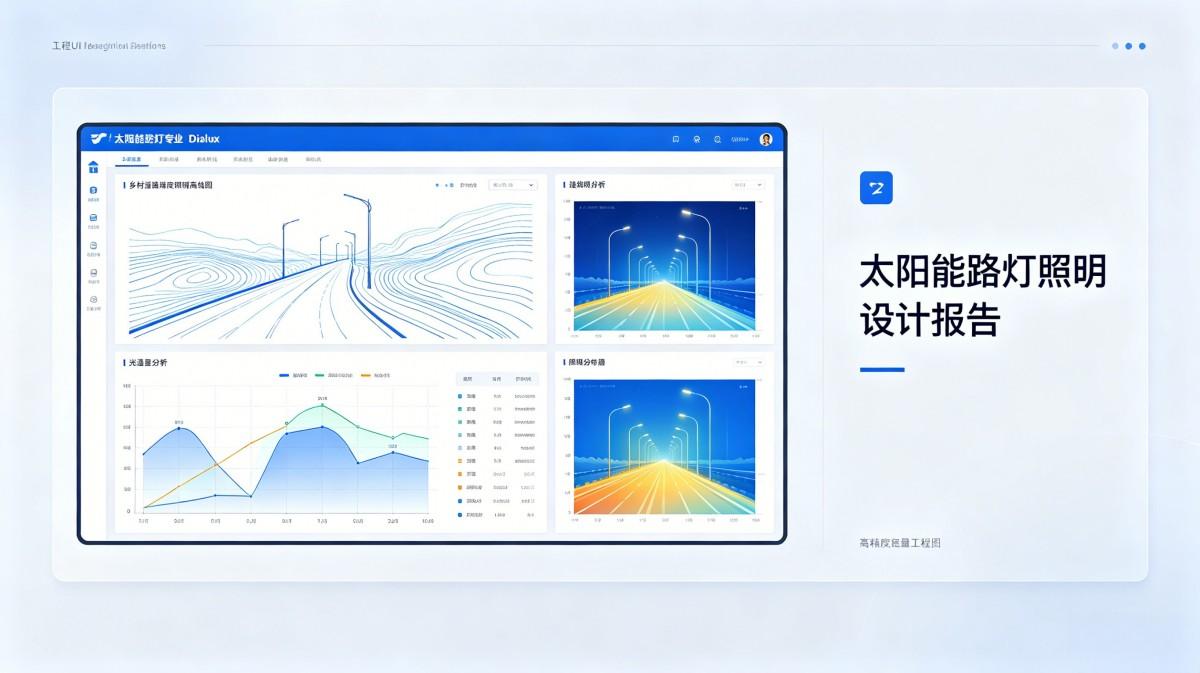
All installation heights, pole spacing and illumination standards are simulated and verified by Dialux professional lighting software, fully complying with African rural road lighting acceptance standards:
All installation heights, pole spacing and illumination standards are simulated and verified by Dialux professional lighting software, fully complying with African rural road lighting acceptance standards:
•Rural footpaths & residential alleys (30W–40W): Installation height 4–5m, pole spacing 18–22m, average illumination ≥12lux, optional human induction mode for energy saving
•Village main roads & market surrounding roads (60W–80W): Installation height 6–7m, pole spacing 22–28m, average illumination ≥28lux, stable constant brightness mode
•School & hospital perimeter, town square (100W–120W): Installation height 7–8m, average illumination ≥35lux, full-night lighting for public safety
A rural village reconstruction project in Kisumu, Kenya covers scattered rural lanes, primary school perimeters and central market areas. Facing local high temperature, frequent thunderstorms and certain theft risks, the project team finally selected 450 sets of HRLUX anti-theft high-temperature resistant all-in-one solar street lights.
A rural village reconstruction project in Kisumu, Kenya covers scattered rural lanes, primary school perimeters and central market areas. Facing local high temperature, frequent thunderstorms and certain theft risks, the project team finally selected 450 sets of HRLUX anti-theft high-temperature resistant all-in-one solar street lights.
Project Configuration: High-temp LiFePO4 battery, IP66 fully sealed housing, MPPT intelligent controller, built-in lightning protection, anti-theft integrated structure
Project Operation Effect: After 3.5 years of stable field operation, no battery swelling, no water ingress failure, no theft loss, and normal lighting throughout the 4-month long rainy season. The project successfully passed local government official acceptance, completely solving the problem of no lighting in rural villages and replacing traditional expensive kerosene lamps.
Q1: Can cheap generic solar street lights be used for African rural government projects?
A: Not recommended at all. Low-cost lamps lack high-temperature resistance, lightning protection and dustproof design. Most of them fail on a large scale within 1–2 years, resulting in project rework, increased hidden costs and failed official acceptance.
Q2: Why are all-in-one solar lights more suitable for African rural areas than split lights?
A: Integrated lights have no exposed external components, effectively solving rural theft problems. Meanwhile, they support quick installation without complex wiring, adapting to local simple construction conditions, and have better overall sealing for dust and rain prevention.
Q3: How many consecutive rainy days should African rural solar lights support?
A: It must support 4–6 days of continuous rainy and cloudy lighting to adapt to the long seasonal rainy weather in East and West Africa.
Q4: Is LiFePO4 battery necessary for African tropical lighting projects?
A: Yes. Ordinary ternary lithium batteries decay rapidly above 40°C and cannot survive long-term high-temperature exposure. LiFePO4 battery is the only stable energy storage solution for African tropical rural areas.
Q5: How to solve the theft problem of solar street lights in African villages?
A: Prioritize all-in-one integrated solar street lights with no exposed parts. Equip with anti-loose stainless steel screws and customized installation locks to maximize anti-theft performance.
Q6: Can you provide customized Dialux simulation reports and OEM batch services?
A: HRLUX supports full OEM/ODM customization. We can provide exclusive Dialux illumination layout schemes, power matching and customized packaging solutions according to local latitude, climate and project scale, and support one-stop export and customs clearance services.
Q7: What is the maintenance cycle for African rural solar street lights?
A: Ultra-low maintenance design. Only simple cleaning of solar panel surface dust every 2–3 months is required, no professional maintenance and spare parts replacement are needed in the short term.
HRLUXSOLAR focuses on mid-to-high-end outdoor lighting with strict quality standards and a rigorous, responsible team. We take quality as the core and professionalism as the foundation to provide stable and durable outdoor lighting products.We specialize in professional services for municipal and commercial engineering projects, delivering customized lighting solutions for smooth project implementation. We support flexible customization, efficient delivery and full-process technical support to meet diverse project demands.Committed to being your trusted outdoor lighting partner, HRLUXSOLAR keeps improving to create better lighting value for your projects.
Need a Dialux simulation for your project? Click here for a free lighting plan.
Get a Quote
Scan to Wechat/Whatsapp :