
HRLUX Lighting | Light the Globe, Power the Future


HRLUX Lighting | Light the Globe, Power the Future
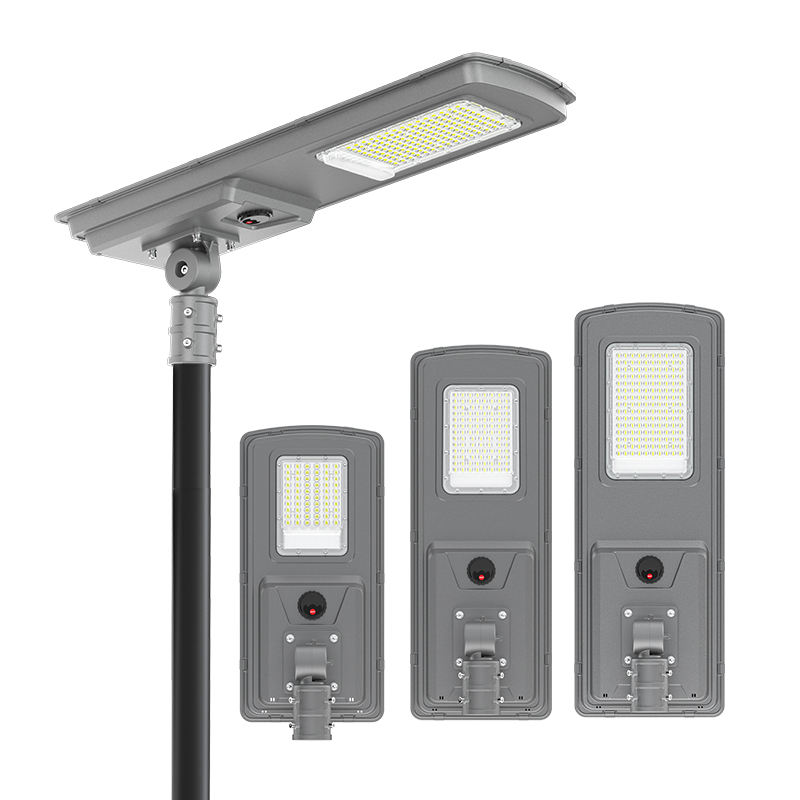
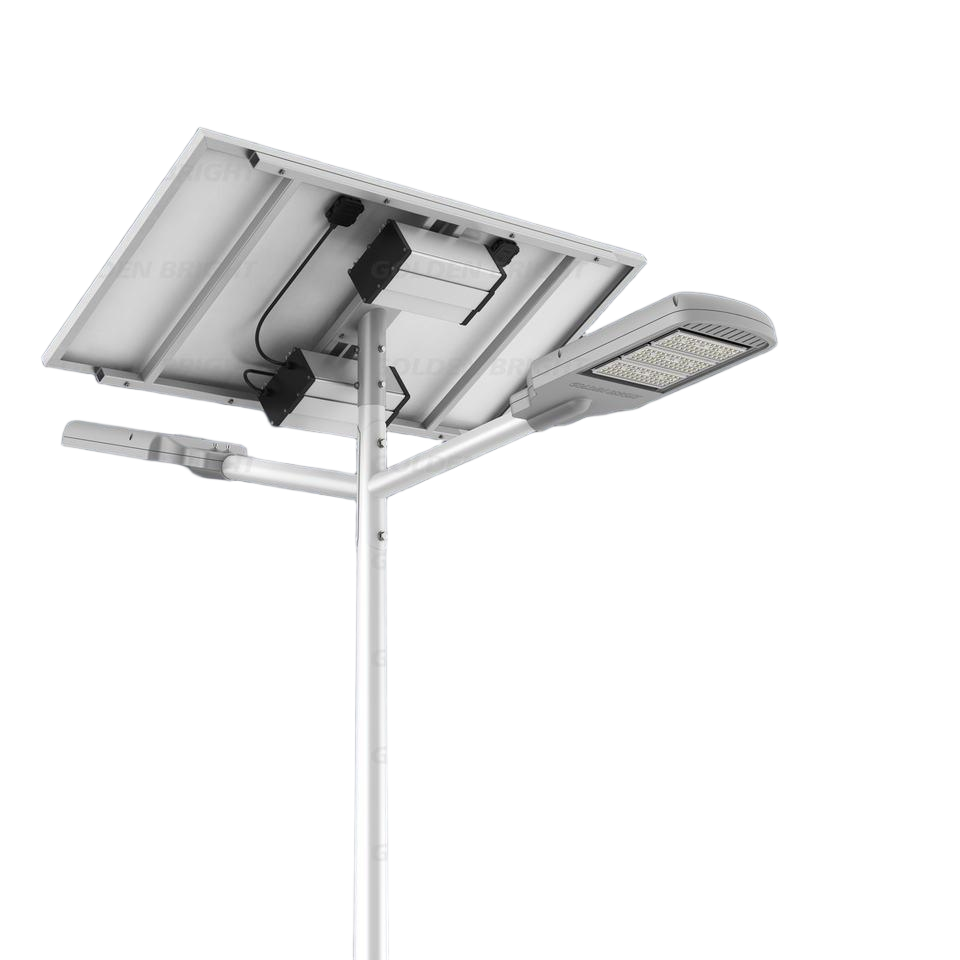
Nowadays, almost all integrated solar street lights are equipped with motion sensors to realize intelligent dimming, greatly extending battery standby time and reducing energy consumption. Two mainstream sensing solutions dominate the market: PIR infrared sensor and microwave radar sensor.Many contractors and municipal buyers only judge products by upfront cost and choose PIR lights. After installation, they face frequent sensing failure, dim road lighting and high annual maintenance costs, especially in coastal foggy towns, frigid mountain areas and tropical regions with year-round morning mist.Our XCPB all-in-one solar street light adopts upgraded microwave radar sensor as standard factory configuration. This guide fully compares the working principle, pros & cons, full lifecycle cost and suitable scenarios of the two sensors. It helps you avoid common project pitfalls and pick the right sensor for your tender.
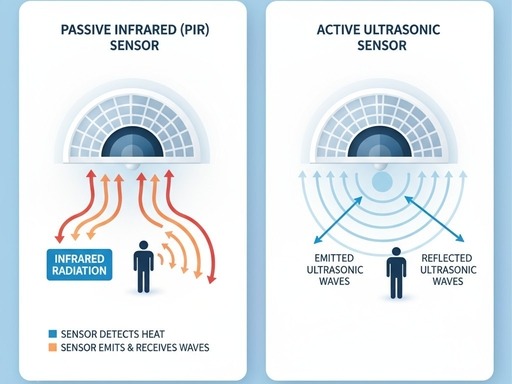
PIR relies on heat detection, while radar works by transmitting and receiving electromagnetic waves
1.1 PIR Infrared Motion Sensor
PIR sensor operates by capturing infrared heat radiation released by humans and vehicles. It triggers brightness changes when detecting temperature differences.It only senses heat sources within a limited fixed angle, and its performance will be blocked by tree leaves, glass, heavy fog and thick dust. Ambient temperature fluctuation directly disturbs normal induction.
1.2 Microwave Radar Sensor
Microwave radar relies on the Doppler effect: it emits low-frequency microwave signals and calculates moving objects via reflected waves, which does not depend on heat temperature at all.It delivers 360° full coverage detection, can penetrate thin obstacles like light fog and sparse branches, and keeps stable operation regardless of external temperature changes.
Our built-in radar modules pass 500h salt spray aging test and -30℃ low-temperature test by third-party laboratory.
| Comparison Item | PIR Infrared Sensor | Microwave Radar Sensor |
| Max Detection Distance | 4–6 M | 10–12 M |
| Detection Angle | 120° | 360° |
| Fog / Sea Salt Fog Adaptability | Poor performance, prone to false triggering or no induction at all | Excellent, no interference in coastal heavy fog conditions |
| Low Temperature Performance | It tends to fail and respond slowly below 0℃ | Stable operation from -20℃ to +60℃ |
| Anti-blocking Ability | Leaves and thin glass can block the sensor signal. | It can penetrate thin barriers without being affected. |
| Intelligent Dimming Effect | Short sensing distance and frequent flickering of the light | Long sensing distance with smooth brightness switching and no stroboscopic effect |
| Service Life | 3–5 years | 5–8 years, consistent with the overall service life of the lamp |
| Upfront Component Cost | lower | slightly higher |
| Full Lifecycle Project Cost | High (frequent maintenance and replacement) | Low maintenance, no upkeep required for many years |
| Suitable Scenarios | Small courtyard walkway in arid inland areas | rural main roads, coastal towns, parking lots and highways |
3.1 PIR Infrared Sensor
Advantages :Low component cost, lowers initial lamp purchase price; Tiny static power consumption under idle state.
Disadvantages :
1.Strongly affected by temperature: high heat in summer and freezing winter both weaken sensing sensitivity;
2.Sea mist, heavy dust and morning fog cause serious sensing failure;
3.Narrow detection angle creates dark blind zones on both sides of roads;
4.Short sensing distance delays lighting activation, pedestrians walk into dark areas before lights brighten;
5.Short service life requires frequent spare part replacement, raising long-term engineering costs.
3.2 Microwave Radar Sensor
Advantages :
1.360° wide-range sensing, no road blind zones;
2.Zero interference from temperature, fog, dust or thin barriers;
3.12m long detection distance lights up roads earlier for pedestrians and vehicles;
4.Stable all-year-round performance cuts later project maintenance labor costs;
5.Perfectly matched with XCPB integrated solar street light’s MPPT control system, boosting rainy-day standby time by 40%;
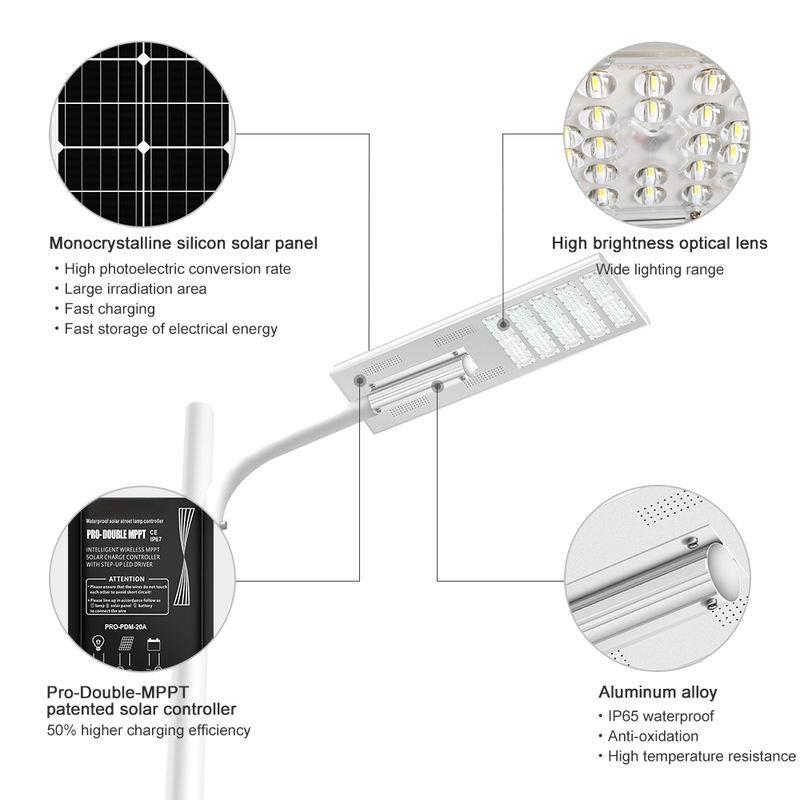
6.Matched with XCPB die-cast aluminum IP65 housing, dual protection against coastal salt spray and bad weather.
Disadvantages : Higher component cost than ordinary PIR sensors, slightly raising one-time procurement cost.
The radar module only raises single lamp cost by 8–12 USD, which can be offset by saved maintenance fees within 2 years.
Many clients hesitate over radar’s higher upfront price but ignore long-term expenditure differences:
1.PIR solar lights: Sensor fails within 1–2 years. Contractors need to arrange workers to climb poles, buy replacement parts and spend labor fees every year. For large-scale road projects, maintenance expenses accumulate rapidly.
2.XCPB radar solar lights: Radar modules share the same 5–8 year service life as LED and lithium batteries. No frequent repair work needed after installation. Even though the initial unit price is higher, the overall project total cost can be reduced by over 50% within 5 years.
Besides, refitting radar sensors on old split solar lights is not recommended. Separate lamps have mismatched power supply and poor waterproof performance after modification. Our integrated XCPB series integrates radar, controller and battery as one whole unit with factory debugging, achieving optimal matching stability.
Choose PIR Infrared Only If :
Small dry inland residential courtyard paths, indoor walkways, short decorative garden lights without fog, frost or heavy traffic.
Must Choose Microwave Radar Sensor (Our XCPB Series) If :
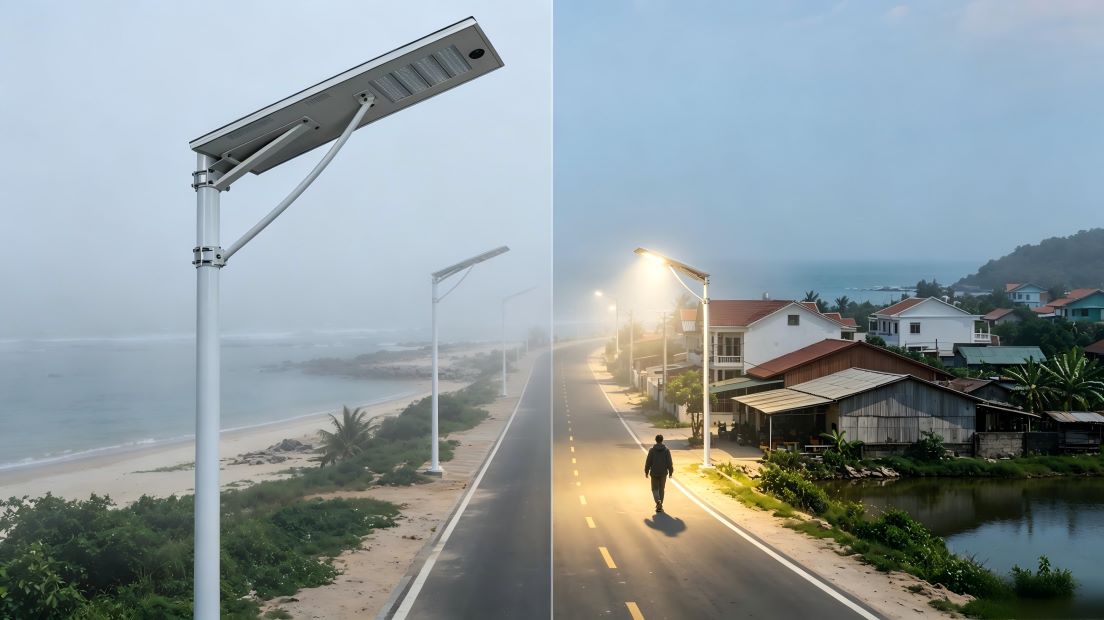
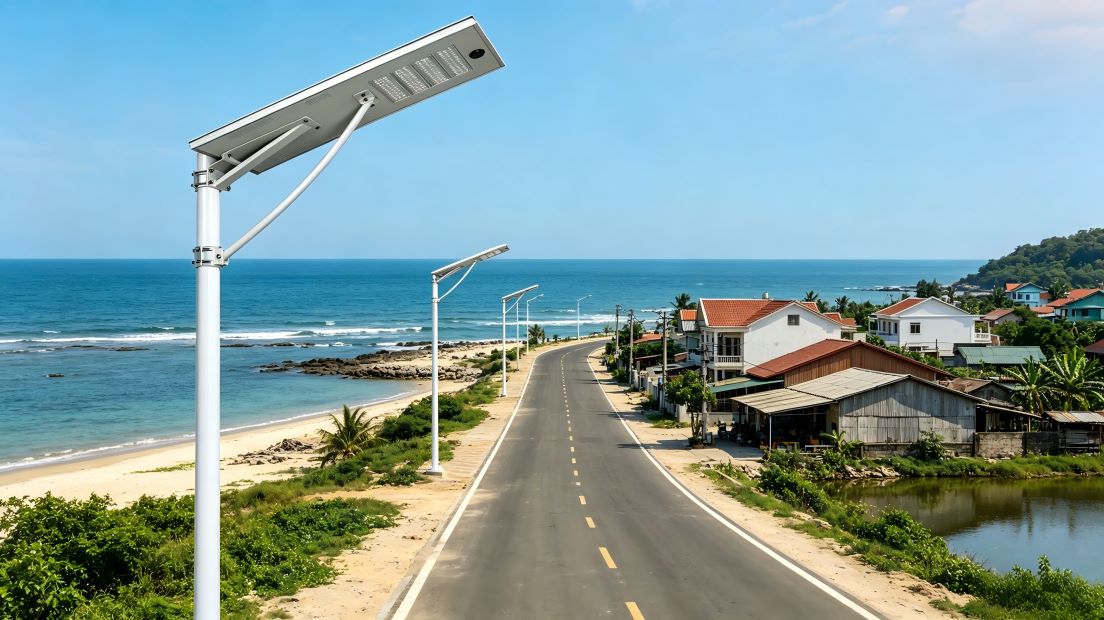
1.Coastal towns with heavy sea salt fog (Vietnam, Philippines, Thailand coastal road projects);
2.High-latitude cold mountain areas with long freezing winters;
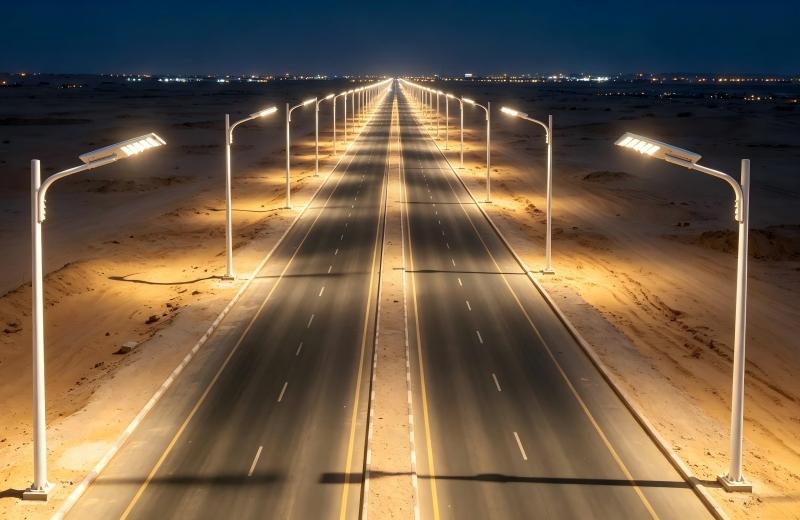
3.Main rural roads, factory parking lots, campus perimeter roads with frequent vehicle traffic;
4.Tropical rainy areas with persistent morning fog all year round;
5.Government municipal tender projects requiring long-term stable operation and low maintenance.
Mistake 1: Coastal projects adopt PIR solar lights
Half of the lamps lose sensing function in foggy mornings, leading to dark roads and complaints from local residents.
Mistake 2: Cold mountain areas install PIR lights
Sensors stop working in freezing winter nights; lamps stay dim all night and cannot meet traffic lighting standards.
Mistake 3: Split solar lights retrofitted with radar modules
Poor waterproof sealing after modification leads to water ingress and permanent circuit damage within 1 year.
All these troubles can be completely avoided by selecting our XCPB integrated solar street light with factory-built microwave radar sensor.
In 2024, a Vietnamese municipal contractor purchased 600 units of 60W XCPB radar solar street lights for a 12km coastal village road reconstruction project.The local area is covered by thick sea fog every morning all year round. After 12 months of continuous operation, zero sensing failure or water corrosion was reported. The client commented that the radar sensor works normally even on foggy days, and the integrated aluminum housing avoids salt damage effectively.This real case fully proves radar sensor’s outstanding adaptability for harsh coastal environments.
Radar sensing test video is available for client reference upon request.
Q1: Can radar sensor be adjusted to avoid light pollution for residential areas?
Yes. All XCPB radar solar street lights come with remote control to adjust sensing distance, standby dim brightness and lighting duration, effectively reducing light pollution for residential roads.
Q2: Will microwave radar cause signal interference to surrounding equipment?
The lamp uses low-power civilian microwave module, which meets CE & FCC standards and will not interfere with mobile phones, monitoring cameras or roadside equipment.
Q3: Is radar sensor more power-consuming than PIR?
The standby power gap is negligible. The longer sensing distance brings better power-saving logic, and the overall battery power consumption is lower than PIR lamps in actual road operation.
Q4: Can I replace PIR sensor with radar sensor on existing solar lights?
It is not recommended for retrofitting split solar lights. Our integrated XCPB light integrates radar sensor, MPPT controller and battery as a whole, with matched power management system for optimal performance.
Q5: How long is the warranty for your radar sensor?
The built-in microwave radar module enjoys a 5-year factory warranty, same as the LED light source of XCPB series.
Q6: Can radar sensor work normally on mountain roads with many trees?
Yes. Microwave signals can penetrate thin branches without sensing blockage, suitable for mountain forest rural roads.
Q7: Do you supply separate radar sensor spare parts for bulk dealers?
Yes, we provide independent radar sensor spare parts for our cooperative distributors, with stable stock and short delivery cycle.
HRLUXSOLAR focuses on mid-to-high-end outdoor lighting with strict quality standards and a rigorous, responsible team. We take quality as the core and professionalism as the foundation to provide stable and durable outdoor lighting products.We specialize in professional services for municipal and commercial engineering projects, delivering customized lighting solutions for smooth project implementation. We support flexible customization, efficient delivery and full-process technical support to meet diverse project demands.Committed to being your trusted outdoor lighting partner, HRLUXSOLAR keeps improving to create better lighting value for your projects.
Need a Dialux simulation for your project? Click here for a free lighting plan.
Get a Quote
Scan to Wechat/Whatsapp :